
The quest for effective treatments for neurological disorders, from Parkinson’s to spinal cord injuries, often leads researchers to the exciting field of stem cell therapy. Among the various sources of stem cells, human dental pulp stem cells (hDPSCs) are emerging as a particularly promising contender.These easily accessible cells, found within the soft tissue of teeth, including those often extracted from wisdom teeth, have a unique capacity to differentiate into various cell types, including those of the nervous system. A recent study by Pardo-Rodríguez et al. published in Stem Cell Research & Therapy titled “Functional differentiation of human dental pulp stem cells into neuron-like cells exhibiting electrophysiological activity” (January 23 2025) highlights a significant leap forward in understanding and harnessing the neurogenic potential of hDPSCs.
This research focused on refining existing protocols to coax hDPSCs into becoming functional neuron-like cells. The team explored how the initial cell expansion phase, specifically the presence or absence of fetal serum, impacted their differentiation. Crucially, they improved neurodifferentiation by introducing retinoic acid (RA) and potassium chloride (KCl) pulses, carefully monitoring the cellular changes over time using advanced techniques like immunofluorescence and electrophysiology. Their findings revealed that hDPSCs, especially when grown as spheroids in serum-free conditions, robustly expressed key neuronal markers such as doublecortin (DCX), neuronal nuclear antigen (NeuN), and MAP2.
The most exciting aspect of this study lies in the functional capabilities of these newly differentiated cells. The neuron-like cells derived from hDPSCs consistently demonstrated voltage-dependent potassium (K+) and tetrodotoxin-sensitive sodium (Na+) currents – the electrical signals characteristic of active neurons. Furthermore, these cells exhibited spontaneous electrophysiological activity and were capable of generating repetitive neuronal action potentials, complete with full baseline potential recovery. This is a great step, as it confirms that hDPSCs can not only look like neurons but also act like them, displaying the functional excitability essential for integrating into neural networks.
What makes hDPSCs particularly attractive for nerve tissue engineering is their inherent advantages. Unlike some other stem cell types, hDPSCs can differentiate into neural cells without genetic modification, simplifying their therapeutic application. They also secrete neuroprotective factors, further enhancing their potential for repairing damaged brain circuits. The study noted that these cells have a low propensity to form tumors and are remarkably stable, addressing key safety concerns often associated with stem cell therapies.
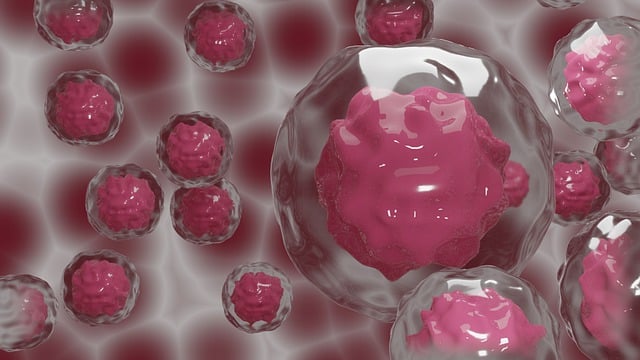
Image by Doodlart from Pixabay
In conclusion, this study significantly advances understanding of hDPSCs as a viable and highly promising source for cell-based therapies in neurological conditions. The ability to generate functionally excitable neuron-like cells from readily available dental pulp opens new avenues for addressing neurodegenerative diseases, stroke, and other central nervous system injuries. While further research is needed to fully integrate these cells into complex neural circuits, this study marks a crucial step towards harnessing the power of our own dental resources for groundbreaking brain repair.