Wisdom teeth, or third molars, often erupt in late adolescence or early adulthood. While some erupt smoothly, many become impacted, meaning they fail to fully emerge through the gums. This can lead to various complications, including pain, infection, and damage to adjacent teeth.
The management of asymptomatic impacted wisdom teeth is a subject of ongoing debate among dental professionals. While there’s consensus on extracting symptomatic teeth, the decision to remove asymptomatic ones remains contentious. A new study titled Prophylactic third molar removal: are oral surgeons and orthodontists aligned in preventive approaches (written by Ipek Necla Guldiken and et. al, BMC Oral Health, 24, Article number: 1072, 2024) aimed to investigate the perspectives of orthodontists and oral surgeons regarding the indications for prophylactic extraction of asymptomatic wisdom teeth.
Methods:
A web-based survey was conducted among 127 orthodontists and oral surgeons in Turkey. Participants were presented with hypothetical case scenarios involving partially and fully impacted asymptomatic wisdom teeth and asked to indicate their preferred course of action based on various potential risks. Data analysis included descriptive statistics and statistical tests to identify significant differences in perspectives between the two specialties.
Results:
Orthodontists were more likely to recommend extraction to prevent late anterior dental crowding (LADC) and caries in adjacent teeth. In contrast, oral surgeons prioritized the prevention of pericoronitis (gum inflammation), potential infections, the development of cysts or tumors, and complications during pregnancy.
Female participants were more likely than males to consider the risk of caries in adjacent teeth as a primary reason for extracting partially impacted wisdom teeth.
More experienced specialists (professors) were more likely to consider LADC as a significant risk factor for extraction compared to trainees.
Discussion:
The study highlights a significant divergence in perspectives between orthodontists and oral surgeons regarding the management of asymptomatic wisdom teeth. This discrepancy stems from differing priorities and focuses within their respective specialties. Orthodontists, primarily concerned with tooth alignment and jaw development, emphasize the potential for LADC. Conversely, oral surgeons, who deal directly with surgical interventions, prioritize the prevention of potential complications such as infection and the development of cysts or tumors.
The findings also underscore the influence of gender and experience on decision-making. Female participants demonstrated a greater concern regarding the risk of caries, while more experienced specialists placed a higher emphasis on the potential for LADC. These factors, along with individual patient circumstances, should be carefully considered when making treatment decisions.
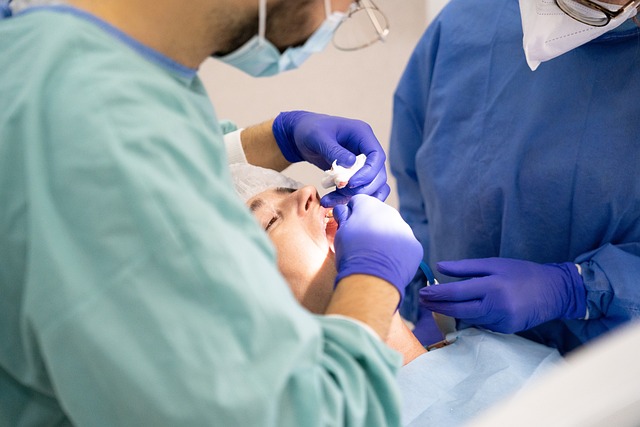
Image by Bruno Pereira from Pixabay
Limitations:
This study had limitations. The sample size was relatively small and limited to dentists in Turkey. Additionally, the study relied on self-reported data, which may be subject to biases.
Conclusion:
This study provides valuable insights into the diverse perspectives of orthodontists and oral surgeons regarding the management of asymptomatic wisdom teeth. The findings emphasize the need for open communication and collaboration between these dental specialties to ensure optimal patient care.