Wisdom tooth extraction, while a common oral surgery, often comes with its share of discomfort. Post-operative pain, swelling (edema), and difficulty opening the mouth (trismus) are frequent challenges for patients. These complications can significantly impact a patient’s quality of life and recovery time. However, a growing body of evidence suggests that Photobiomodulation Therapy (PBM) may offer a significant advantage in easing the recovery process.
PBM, a non-invasive therapy, involves the application of low-level lasers or light-emitting diodes (LEDs) to specific areas. This therapeutic approach has gained traction in various medical fields due to its potential to:
- Reduce inflammation: PBM is believed to modulate the body’s inflammatory response, which plays a crucial role in post-surgical swelling and pain. By downregulating pro-inflammatory cytokines and promoting the release of anti-inflammatory mediators, PBM can help minimize tissue inflammation and swelling.
- Accelerate tissue repair: PBM can stimulate cellular activity, promoting faster tissue regeneration and wound healing. This can lead to quicker recovery and a reduced risk of complications.
- Modulate pain signals: PBM interacts with nerves and can help to reduce pain perception. It may also stimulate the release of endorphins, the body’s natural pain relievers.
In a recent double-blind clinical trial, in an article titled “PAIN, OEDEMA AND TRISMUS RESPONSES FOLLOWING PHOTOBIOMODULATION THERAPY IMMEDIATELY AFTER LOWER THIRD MOLAR EXTRACTION: RESULTS OF A RANDOMIZED, DOBLE-BLIND AND SPLIT MOUTH CLINICAL TRIAL,” written by GISELA CRISTINA VIANNA CAMOLESI and et. al. appearing in the Journal of Evidence-Based Dental Practice, Volume 25, Issue 1, March 2025, researchers investigated the impact of PBM on patients undergoing lower third molar (wisdom teeth) extractions. The study, which involved 83 participants, compared the effects of PBM therapy with a simulated treatment.
- Pain Management: The results demonstrated a significant reduction in pain intensity in the group that received PBM therapy across all evaluation time points compared to the control group. Patients in the PBM group also required fewer pain medications to manage post-operative discomfort.
- Reduced Swelling: The study observed a significant decrease in facial swelling in the PBM group compared to the control group, particularly at 48 hours and 7 days post-surgery.
- Improved Mouth Opening: PBM therapy was also found to significantly improve mouth opening (reduce trismus) compared to the control group, allowing patients to return to more normal eating and speaking patterns more quickly.
These findings suggest that PBM holds promise as a valuable adjunct to standard post-operative care for wisdom tooth extractions. By incorporating PBM into their treatment plans, oral surgeons may be able to significantly improve patient comfort and accelerate recovery.
How does PBM Therapy Work?
PBM therapy utilizes specific wavelengths of light that penetrate the skin and interact with cellular components. This interaction triggers a cascade of biological effects, including:
- Increased cellular energy production: PBM can enhance cellular energy production by stimulating the mitochondria, the powerhouses of cells. This increased energy can support cellular repair and regeneration.
- Improved blood circulation: PBM can improve blood flow to the treated area, delivering essential nutrients and oxygen to the healing tissues and removing waste products.
- Reduced oxidative stress: PBM can help to reduce oxidative stress, which can damage cells and contribute to inflammation.
The PBM Treatment Protocol:
The specific parameters of PBM therapy, such as the wavelength of light, power density, and duration of treatment, can vary depending on the clinical condition and the specific treatment goals. In the case of post-wisdom tooth extraction, PBM therapy typically involves:
- Application sites: The laser or LED light is applied to specific points around the extraction site, as well as to areas of facial swelling and lymph nodes.
- Treatment duration: A single PBM session is typically administered immediately following the extraction procedure.
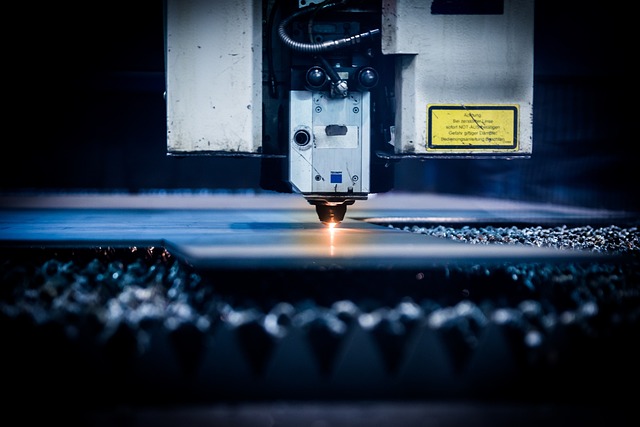
Image by Michal Jarmoluk from Pixabay
Potential Benefits:
- Reduced pain and discomfort: PBM can significantly reduce post-operative pain, allowing patients to experience a more comfortable recovery.
- Faster healing and reduced swelling: By accelerating tissue repair and reducing inflammation, PBM can help patients recover more quickly and return to normal activities sooner.
- Improved quality of life: By minimizing post-operative complications, PBM can improve patients’ overall quality of life during the recovery period.
- Reduced reliance on pain medications: By effectively managing pain, PBM can help to reduce the need for strong pain medications, which can have potential side effects.
Conclusion:
PBM therapy shows significant promise as a valuable adjunct to standard post-operative care for wisdom tooth extractions. By effectively managing pain, reducing swelling, and accelerating healing, PBM can improve patient comfort and overall recovery.