For many young adults, the discussion of wisdom tooth removal comes hand-in-hand with orthodontic treatment. Often, these “third molars” are extracted preventively, driven by concerns about impaction, potential crowding, or even future complications. Yet, despite how common these discussions are, a surprising lack of consensus exists among dental professionals regarding the proactive removal of asymptomatic wisdom teeth. A recent study published in the American Journal of Orthodontics and Dentofacial Orthopedics titled “Factors influencing prophylactic extraction of mandibular third molars in orthodontic practice: A cross-sectional study” (Hila Ziv-O et. al. Volume 167, Issue 6, pp. 673-680 mJune 2025) sheds light on this variability, underscoring the need for clear, evidence-based clinical guidelines.
The research aimed to explore the factors influencing these crucial decisions among orthodontists in Israel. Through an online survey conducted in July 2024, 88 active orthodontic specialists and residents provided insights into their practices. The findings revealed significant variability in how different orthodontists prioritize factors when deciding whether to extract asymptomatic mandibular third molars. This highlights a complex clinical landscape where individual judgment often plays a larger role than standardized protocols.
Among the various considerations, the study found that impaction characteristics were the most frequently cited factor for prophylactic extraction, chosen by 35.2% of respondents. Mandibular arch crowding followed as the second most common consideration at 26.1%. Interestingly, only a small minority (4.5%) of orthodontists reported routinely referring patients for extraction, suggesting a cautious approach overall. While demographic factors didn’t strongly influence extraction practices, there was a weak positive correlation between an orthodontist’s age and their consideration of mandibular arch crowding.
The significant differences in how various factors are prioritized underscore the lack of a unified approach. This variability in decision-making isn’t just a curiosity; it can lead to different recommendations for patients depending on which orthodontist they see, potentially impacting treatment plans and long-term oral health outcomes. The study’s authors emphasize that this highlights a critical gap in current orthodontic practice, where personal experience or institutional norms might weigh more heavily than consistent, universally accepted guidelines.
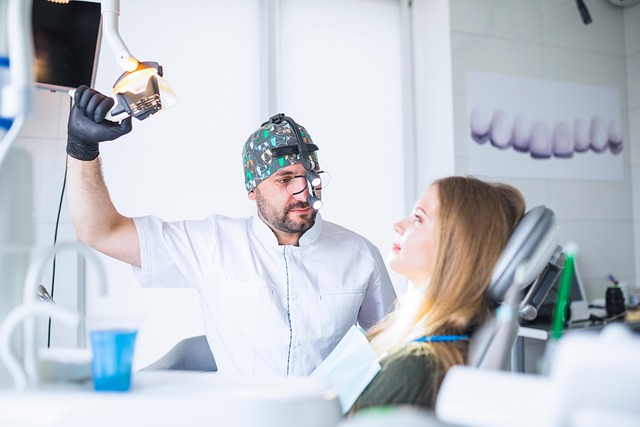
Image by Tribute Family Dentistry from Pixabay
In conclusion, the research from strongly points to a pressing need for clearer, evidence-based guidelines concerning the management of third molars during orthodontic treatment. While the study’s focus on Israeli orthodontists and its sample from major institutions limit its direct global applicability, its findings resonate universally within the orthodontic community. Establishing robust guidelines would not only support orthodontists in making consistent, informed decisions but also ensure that patients receive the most appropriate and effective care, moving beyond individual preferences toward a more standardized, evidence-driven approach to wisdom tooth management.