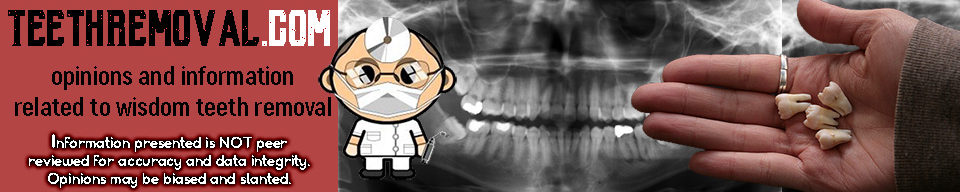
For generations, the removal of wisdom teeth has been near a universal experience for young American adults, a common “rite of passage” in the journey to adulthood. Yet, recent trends suggest this long-held tradition might be shifting. A new analysis by Alexander Rossell Hayes, a Senior Data Scientist at YouGov, see https://today.yougov.com/society/articles/52483-young-american-adults-challenge-the-conventional-wisdom-on-tooth-removal, shows that young American adults are far less likely to have had their wisdom teeth removed compared to their older counterparts. This isn’t just about age and it reflects an evolving understanding of dental health and a challenge to conventional wisdom that has historically dictated widespread extraction.
The decline in wisdom tooth removals isn’t a sudden phenomenon. It aligns closely with significant shifts in professional recommendations over the past two decades. As early as 2000, the UK’s National Institute for Clinical Excellence began discouraging routine removal of undiseased wisdom teeth, with the American Public Health Association following suit in 2008. While other major US dental bodies, like the American Dental Association, haven’t yet mirrored these changes, the impact on public practice is evident. The YouGov survey data shows a clear generational divide: a substantial two-thirds of Americans 45 and older have had their wisdom teeth removed, compared to less than a third of adults under 30.
This generational gap strongly correlates with the timeframe individuals reached the typical age for wisdom tooth extraction. For those who turned 20 before 2000, when routine removal was broadly recommended, 67% had their wisdom teeth out. This figure drops to 48% for those who turned 20 between 2000 and 2008, and further still to 35% for the 2009-2015 cohort, after the American Public Health Association’s opposing stance. The trend continues, with even fewer removals among the youngest adults. This suggests that as scientific views have evolved to question the necessity of removing asymptomatic wisdom teeth, so too have the practices and recommendations received by patients.
Beyond age and changing guidelines, other factors also play a role in the prevalence of wisdom tooth removal. The YouGov survey found that women are more likely than men to have had their wisdom teeth extracted, potentially due to a higher likelihood of tooth crowding. Regional differences also emerged, with Midwestern Americans reporting the highest rates of removal and Northeastern Americans the lowest. These patterns align with previously published dental research, highlighting the complex interplay of biological, geographic, and historical factors influencing dental procedures.
Image by Marta Cuesta from Pixabay
Despite the ongoing debate among dental professionals regarding the routine removal of undiseased wisdom teeth, the general public largely maintains trust in their dentists’ judgment. A majority of Americans believe that wisdom tooth removals are “always or usually medically necessary,” with those who have undergone the procedure expressing even greater confidence. This trust extends to other dental procedures as well. The evolving landscape of wisdom tooth extraction underscores a broader dynamic in healthcare: the interplay between long-standing practices, emerging scientific evidence, and public perception, ultimately shaping the future of dental care in America.