Getting braces is a major milestone, but the first month often comes with a literal “pain in the mouth.” From rubbing brackets to poking wires, traumatic ulcers (mouth sores) are a common rite of passage for orthodontic patients.
A recent clinical trial explored whether Curcumin—the active compound found in turmeric—could act as a natural shield against these painful sores. Here is what the science says about using a curcumin rinse during your first 28 days of treatment.
The Study at a Glance
Researchers conducted a double-blind, randomized clinical trial with 70 patients (aged 12–30) starting their orthodontic journey. Half used a curcumin mouthwash, while the other half used a placebo.
What was measured?
- Incidence: Did it stop ulcers from forming?
- Duration: Did it make ulcers heal faster?
- Pain: Did it make the first month more comfortable?
- Oral Hygiene: Did it help with plaque and gingivitis?
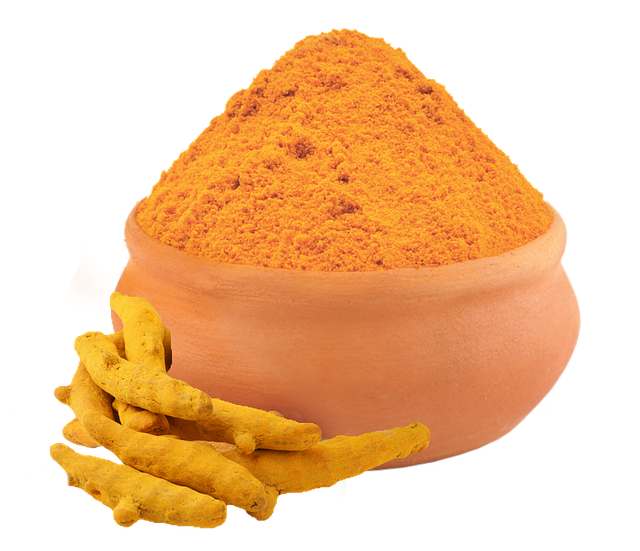
Image by Deepak Singh from Pixabay
The Results: Does it Work?
While curcumin is famous for its healing properties, the results were a mix of “not quite” and “surprisingly helpful.”
1. Ulcer Prevention & Healing
The Verdict: No significant difference.
Unfortunately, curcumin did not act as a “preventative shield.” In the first week, 80% of the curcumin group still developed ulcers compared to 65.7% of the placebo group. Furthermore, the healing time was roughly the same—about 2.25 to 2.5 days for both groups.
2. Pain Relief (The Silver Lining)
The Verdict: Success in the early stages.
This is where curcumin shined. During the first and second weeks—the most uncomfortable period of adjustment—patients using the curcumin mouthwash reported significantly lower pain scores.Shutterstock
3. Oral Health & Hygiene
The study also looked at Plaque Index (PI) and Gingival Index (GI).
- Gingivitis: The curcumin group saw a significant reduction in gingival inflammation (GI) over the month.
- Plaque: Both groups maintained good hygiene, but the curcumin group started with lower plaque levels.
Fast Facts: Curcumin vs. Placebo
| Feature | Curcumin Group | Placebo Group |
| Ulcer Incidence (Week 1) | 80% | 65.7% |
| Healing Time | ~2.25 Days | ~2.54 Days |
| Pain Levels (Weeks 1-2) | Significantly Lower | Higher |
| Smell Satisfaction | Rated More Pleasant | Rated Less Pleasant |
| Adverse Effects | Zero Reported | 3 Reports (e.g., mucosal peeling) |
Where do these ulcers happen?
If you just got braces, keep an eye on your molar area. The study found that the buccal mucosa (the inside of your cheeks near your back teeth) was the most frequent site for sores due to the friction of the metal brackets.
The Bottom Line
If you are looking for a way to stop mouth sores from appearing entirely, curcumin mouthwash might not be the “magic bullet.” However, it is safe, non-toxic, and smells better than many alternatives.
The takeaway: Curcumin mouthwash is a great adjunct therapy. It might not stop the rub of the wire, but it can significantly dial down the pain during those first two “settling-in” weeks.