Imagine if, instead of using harsh mouthwashes that kill all the bacteria in your mouth—both good and bad—you could simply “mute” the conversations that lead to disease.
Groundbreaking new research from the University of Minnesota, published in November 2025, suggests that we are closer to this reality than ever before. Scientists have discovered a way to “hack” the communication system of oral bacteria to prevent plaque buildup and stop gum disease before it starts.
Quorum Sensing: How Bacteria “Talk”
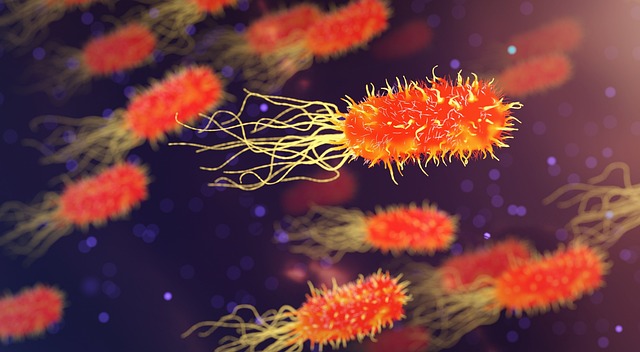
Your mouth is home to over 700 different species of bacteria. To survive and organize, they use a process called quorum sensing. Think of it as a constant stream of chemical “text messages” sent through molecules called AHLs (N-acyl homoserine lactones).
When these messages are flowing, bacteria know when to band together, form sticky plaque, and invite dangerous, disease-causing species to join the community.
The Discovery: Above vs. Below the Gumline
The research team, led by Associate Professor Mikael Elias and lead author Rakesh Sikdar, found that oxygen plays a massive role in this bacterial “chatter”:
- Above the Gums (Aerobic): Bacteria produce AHL signals in oxygen-rich environments.
- Below the Gums (Anaerobic): These messages travel down to oxygen-poor environments, where they are received by “late colonizers”—the heavy hitters of gum disease, like Porphyromonas gingivalis.
By adding AHLs in these deep pockets, researchers found they could actually trigger the growth of disease-associated bacteria. Conversely, by removing the signals, they could keep the community “young” and healthy.
https://pixabay.com/photos/bacteria-microbiology-organism-3658992
A New Tool: Lactonase Enzymes
Instead of “waging war” on all bacteria with antibiotics—which bacteria are increasingly learning to resist—the team used specialized enzymes called lactonases.
These enzymes act like a “signal jammer.” They break down the AHL messages so the bacteria can’t coordinate. The result?
- Enriched Health: The “good” pioneer bacteria (like Streptococcus) remained dominant.
- No Disease: The “bad” bacteria never got the signal to take over.
Why This Changes Everything
This isn’t just about avoiding a cavity; it’s a shift in how we approach medicine.
- Antimicrobial Stewardship: Because this method doesn’t kill the bacteria, they are less likely to develop resistance.
- Beyond the Mouth: Microbiome imbalances (dysbiosis) are linked to everything from gut issues to certain types of cancer. If we can hack the “chatter” in the mouth, we might be able to do it anywhere in the body.
The Bottom Line
“Dental plaque develops much like a forest ecosystem,” says Dr. Elias. By strategically disrupting chemical signals, we can ensure that “forest” stays a healthy, diverse meadow of beneficial bacteria rather than a dense, overgrown thicket of disease.