Dental procedures are generally safe; however, transient bradycardia (TB), a temporary slowing of the heart rate, can sometimes occur during local anesthesia administration under sedation. This phenomenon, often linked to the trigeminal cardiac reflex (TCR), can occur during the administration of local anesthesia, particularly in patients undergoing sedation.
Understanding the Mechanisms
The TCR is a physiological response triggered by stimulation of the trigeminal nerve, which innervates the face and oral cavity. This stimulation can lead to a cascade of events, including a sudden decrease in heart rate and blood pressure, as well as other autonomic responses.
Identifying Risk Factors
A recent prospective study identified several key risk factors associated with the occurrence of TB during dental anesthesia:
- Gag Reflex: Patients with a history of experiencing a gag reflex during dental treatment were significantly more likely to experience TB. This suggests that stimulation of the gag reflex may trigger the TCR, leading to a slowing of the heart rate.
- Trait Anxiety: Individuals with high levels of trait anxiety, a general tendency to experience anxiety, also exhibited a higher incidence of TB. This may be due to an underlying imbalance in the autonomic nervous system, making them more susceptible to heart rate fluctuations during dental procedures.
Study Findings
A study appearing in BMC Oral Health titled “Transient bradycardia during local anaesthesia to the oral cavity under intravenous sedation and its associate factors: a prospective observational study” written by Ryo Wakita and et. al., vol. 24, Article number: 1165, 2024, included 188 patients undergoing dental procedures under sedation, found a significant incidence of TB, with 41% of patients experiencing a decrease in heart rate. The study observed no severe adverse events, such as loss of consciousness or the need for medical intervention.
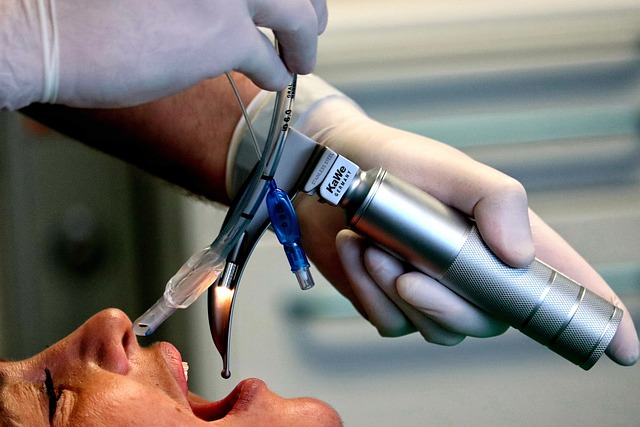
Image by Thomas G. from Pixabay
Implications for Dental Practice
The findings of this study have important implications for dental practice. Dentists should carefully assess patients for risk factors such as a history of gag reflex and trait anxiety. Careful monitoring of vital signs, including heart rate and blood pressure, is crucial during and after local anesthesia administration. Open communication with patients about potential side effects, including TB, can help alleviate anxiety and improve the overall patient experience.
Future Directions
In the future additional investigations are needed. Clarification is needed on the precise mechanisms underlying TB during local anesthesia through direct measurements of neural activity. Investigation is needed on the role of other potential risk factors, such as specific types of dental procedures and the use of different local anesthetic agents. Development of strategies are needed for preventing or mitigating the effects of TB during dental procedures.
Conclusion
This study provides valuable insights into the occurrence and risk factors associated with transient bradycardia during dental anesthesia. By understanding the mechanisms and identifying high-risk patients, dental professionals can improve patient safety and optimize dental practice protocols.