
Its possible one day that tiny robots one day can swim through your bloodstream, delivering medication directly to infected cells or removing harmful bacteria. This is the future of medicine, and it’s being made possible by microrobotics.
Microrobots are micrometer-sized robots that have the potential to revolutionize healthcare. They can be used for a variety of purposes, including:
- Delivering medication: Microrobots can be programmed to deliver medication directly to diseased cells, reducing the risk of side effects and improving the effectiveness of treatment.
- Removing biofilms: Biofilms are communities of microorganisms that resist traditional treatments. Microrobots can be used to remove biofilms from medical devices or implants, preventing infections.
- Performing surgery: Microrobots could one day be used to perform minimally invasive surgery, reducing recovery times and scarring.
Researchers at the University of Pennsylvania propose using microrobots to deliver medication and remove biofilms more effectively. Microrobots can be powered intrinsically or extrinsically. Microrobots are still in the early stages of development, but they have the potential to transform healthcare. These microrobots may be used to target infections stuck in areas, such as between the teeth. The technology may reduce antimicrobial resistance.
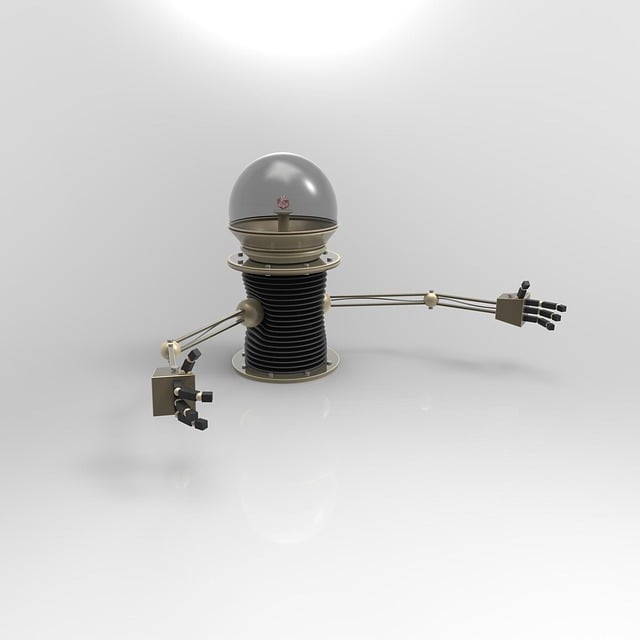
Image by Thor Deichmann from Pixabay
Microrobots also offer a new way to collect microbial samples that could be used to diagnose other diseases. Microrobotics relies on the integration of big data and artificial intelligence and using data to uncover unprecedented patterns in human health and disease. he fusion of big data with robotics presents opportunities for personalized medicine based on individualized, data-driven insights. Microrobots also cause an overlap between the diagnostics in medicine and sensing in robotics which can create less invasive treatments for hard-to-reach infections.
Source:
Edward Steager, “Little bots that could put a stop to infectious disease”, January 9, 2024. https://www.grasp.upenn.edu/news/little-bots-that-could-put-a-stop-to-infectious-disease/