Impacted canines, teeth that fail to erupt correctly, can pose a significant challenge in orthodontic treatment. Traditionally, exposing these buried teeth has required a surgical procedure. However, a recent study published in the Journal of Dentistry titled “Computer-assisted open exposure of palatally impacted canines for orthodontic eruption: A randomized clinical trial” written by Márton Kivovics and et. al. in the Journal of Dentistry, Volume 147, August 2024, suggests a promising advancement in this area: computer-assisted surgery.
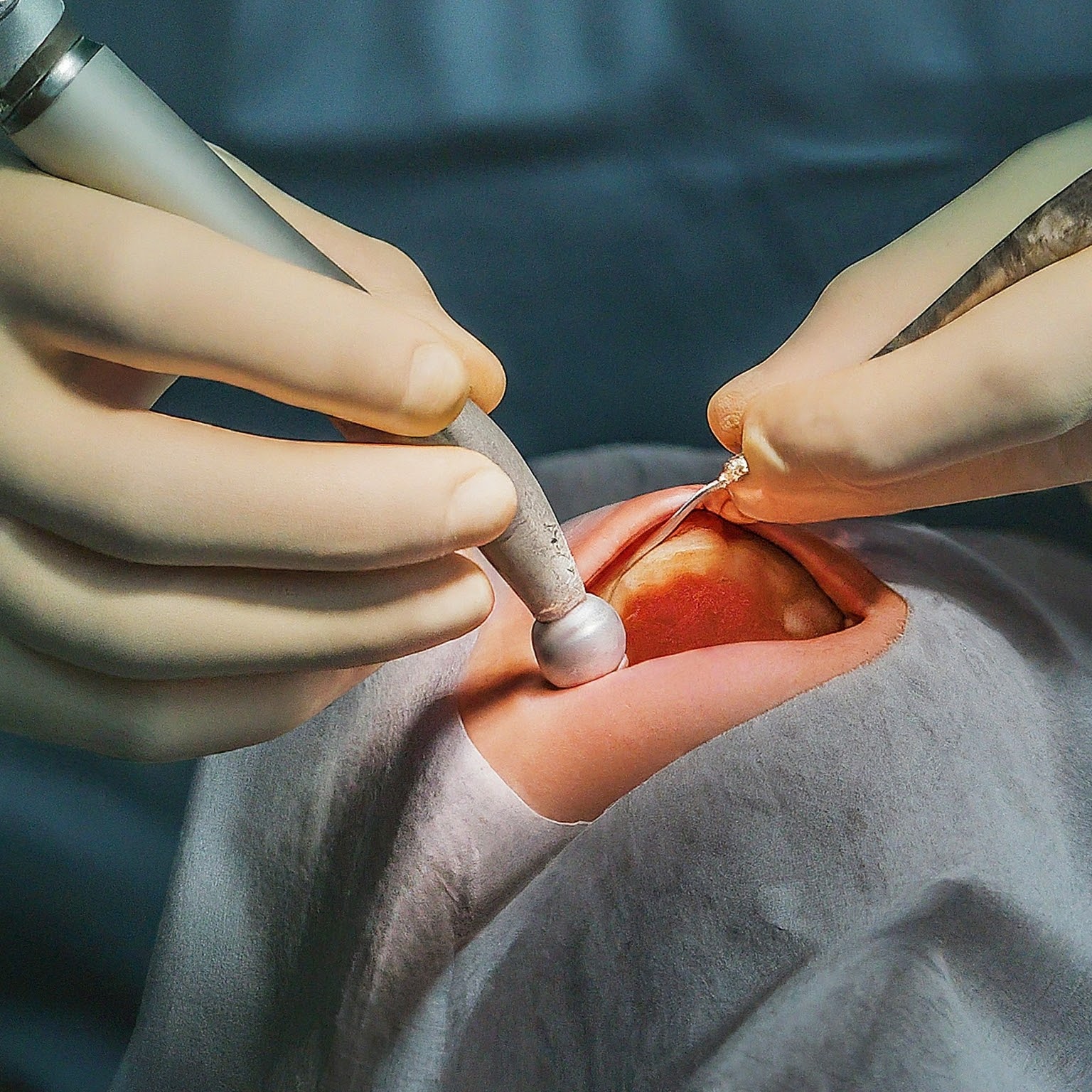
Researchers compared a traditional surgical approach with a newer method that employs advanced technology. This innovative technique involves creating a customized surgical guide based on detailed 3D scans of the patient’s mouth. The guide acts as a precision roadmap for the surgeon, improving accuracy and efficiency during the procedure.
The study found that while computer-assisted surgery didn’t reduce post-operative pain compared to traditional methods, it did significantly decrease surgery time. Patients who underwent the computer-assisted procedure experienced an average reduction of nearly three minutes in surgery time. Specifically it was found that the duration of surgery was significantly shorter in the test group, where the surgical template guided the exposure of the impacted canines, averaging four minutes and 45.1 seconds when compared to seven minutes and 22.3 seconds in the control group where the surgeon used only the surgical plan to locate and expose the canines. Despite the lack of pain reduction, the shorter procedure time is a significant benefit.
This new technique holds promise for improving the overall patient experience. By reducing surgery time, it can potentially increase patient comfort and satisfaction. Furthermore, the increased precision offered by computer-assisted surgery may lead to better long-term outcomes.
The study did have limitations, including a relatively small sample size, limited follow-up, and additional costs associated with virtual planning and surgical template fabrication. While the results are encouraging, larger-scale studies are needed to confirm these findings and to assess the long-term implications of this new approach. Despite these limitations, the study represents a significant step forward in the treatment of impacted canines.