Imagine embarking on an adventure to the most remote and awe-inspiring continent on Earth – Antarctica. Picture yourself surrounded by towering glaciers, playful penguins, and the profound silence of a frozen wilderness, all while contributing to vital climate research. But before you pack your warmest gear, there’s a peculiar prerequisite you might not expect: saying goodbye to your wisdom teeth.
It might seem like an odd connection, but the challenging environment of Antarctica demands a level of preparedness that extends beyond just warm clothing and scientific expertise. Think of it like this: ancient seafarers heading into the unknown had their own unique ways of preparing for the harsh realities they might face. While their methods might seem archaic to us now, the underlying principle is the same – mitigating potential problems before they arise in a difficult and isolated setting.
Antarctica, despite its breathtaking beauty, is a land of extremes. Researchers venturing there face brutal cold, sudden and ferocious blizzards, and relentless winds. This unforgiving nature, combined with the sheer distance from advanced medical facilities, means that even minor health issues can escalate into serious emergencies.
And that’s where those pesky third molars come into play. Wisdom teeth, often prone to impaction, infection, and pain, can become a significant problem in a place where a trip to the dentist isn’t a quick drive down the road. Imagine experiencing severe dental pain in a remote Antarctic research station. While these stations are equipped with medical personnel, complex procedures like oral surgery are simply not an option.
As one researcher puts it, these teeth can pose a serious problem if they were to become painful while in Antarctica. The organizations that facilitate Antarctic research take this risk seriously. Their priority is the safety and well-being of their teams, and minimizing potential medical emergencies is paramount. While emergency evacuations are possible, they are incredibly complex, costly, and can be severely hampered by the very conditions that make Antarctica so challenging in the first place.
Think of it like this: you’re preparing for a long and arduous journey where access to resources is limited. You’d want to address any potential weak points in your gear or your health beforehand. Removing wisdom teeth, if they are deemed problematic, is simply a proactive measure to prevent a painful and potentially dangerous situation from unfolding in one of the most isolated places on the planet.
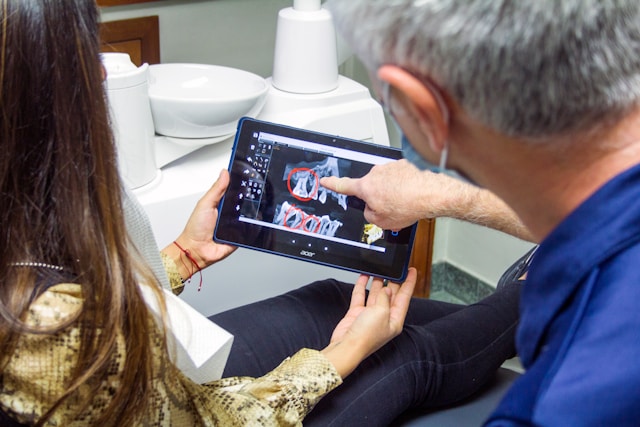
Photo by Quang Tri NGUYEN on Unsplash
So, while the idea of having teeth removed to work in Antarctica might sound strange at first, it’s a testament to the unique challenges posed by this extraordinary continent. It’s a reminder that venturing into such a remote and extreme environment requires careful planning and a willingness to address even seemingly minor health concerns. It’s just one of the many fascinating and sometimes unexpected aspects of preparing for an adventure where the pursuit of knowledge takes place against a backdrop of breathtaking, but undeniably demanding, natural beauty.