When we think of patient safety, our minds often jump to hospital settings or major surgeries. However, a groundbreaking study recently published in the Journal of the American Dental Association (JADA) is turning the spotlight on the dentist’s chair.
As the first comprehensive review of dental adverse events within a large U.S. healthcare system, the findings offer a rare look at what goes wrong—and why.
The Leading Risks: Wrong-Site Surgeries
The study, led by Dr. Erica Lo of the Veterans Affairs National Center for Patient Safety, analyzed reports from the U.S. Veterans Health Administration (VHA) between January 2021 and November 2024.
Out of the most severe cases analyzed (those requiring a root cause analysis), the results were eye-opening:
- Wrong-Site Surgeries (41%): This was the most frequent error reported, which remarkably includes cases where the incorrect person received treatment.
- Ingestion (19%): This involves patients accidentally swallowing dental tools or materials, such as a bur (the drill bit) during a restoration.
- Sterilization Issues (7%): Reports of inadequately cleaned or sterilized equipment.
- Other Hazards: The study also noted equipment failures, the use of expired materials, and even a fire in a dental laboratory.
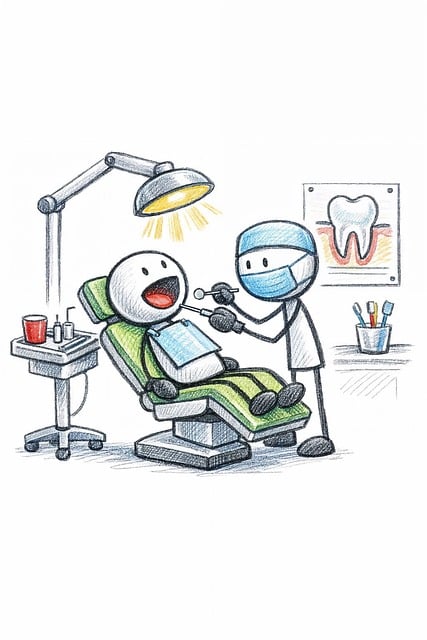
Image by Gerd Altmann from Pixabay
Why Do These Mistakes Happen?
Perhaps the most significant takeaway for dental professionals and patients alike isn’t what happened, but why. The researchers identified a lack of policy as the most common reason for these mistakes.
In many cases, the errors weren’t due to a lack of clinical skill, but rather a failure in the systems designed to prevent human error. When clear protocols for patient verification or equipment checks aren’t in place—or aren’t followed—the risk of “adverse events” skyrockets.
“The findings should encourage discourse on how dental offices can seek to improve patient safety and safety culture.” — Dr. Erica Lo, Lead Author
The Big Picture: 3 Million Cases of Harm
While this specific study focused on the VHA system, the broader implications are staggering. Past research suggests that 3 million people in the U.S. may experience some form of harm related to dental treatment each year.
Because safety reporting is voluntary, many “near misses” go unrecorded. The authors hope that by shedding light on these incidents, they can encourage a “nonpunitive” learning culture—where dental teams feel comfortable reporting mistakes so the entire industry can learn from them.
What This Means for Patients and Providers
For dental practices, this is a call to audit existing safety protocols. For patients, it’s a reminder that being an active participant in your care—confirming your identity and the procedure before it begins—is a vital layer of protection.
Understanding these mistakes is the first step toward preventing them, fostering a safer environment, and strengthening the trust between dentists and the communities they serve.