Most people think of teeth in terms of cavities, cleanings, braces, or wisdom tooth removal. But scientists are increasingly looking at teeth and gums as a valuable source of dental stem cells that may help drive the future of regenerative medicine.
These cells are found in several parts of the mouth, including the dental pulp, gums, periodontal ligament, and the developing roots of permanent teeth. Researchers have shown that dental stem cells are multipotent, meaning they can develop into different types of cells under the right conditions. That makes them especially promising for both dental regeneration and broader medical applications.
One reason dental stem cells have attracted so much interest is accessibility. Unlike some stem cell sources that require invasive collection, these cells can often be obtained from naturally shed baby teeth or during routine dental procedures such as root canals and wisdom tooth extraction. In practical terms, that makes them one of the more convenient sources of stem cells now under study.
Researchers have identified different dental stem cell populations, including dental pulp stem cells (DPSCs), stem cells from human exfoliated deciduous teeth (SHED), periodontal ligament stem cells (PDLSCs), gingival mesenchymal stem cells (GMSCs), and stem cells from apical papilla (SCAP). While these cell types have distinct properties, they share features similar to mesenchymal stem cells and show potential for tissue repair and regeneration.
The most obvious use for dental stem cell therapy is in oral health. Scientists are studying ways these cells could help regenerate dental pulp, support repair of damaged tooth structures, and improve healing in tissues that support the teeth. Research into tooth organoids and tissue-specific repair signals is also helping scientists better understand how these cells behave in their natural environment.
But the potential of stem cells from teeth may extend far beyond dentistry. Studies described in an article in The Scientist (https://www.the-scientist.com/driving-innovation-with-cell-culture-essentials-ms-73823) point to possible applications in wound healing, neurological disorders, cardiovascular injury, immune-related disease, and metabolic disease. In some cases, these cells have already moved into early clinical studies, showing that the field is advancing beyond basic lab research.
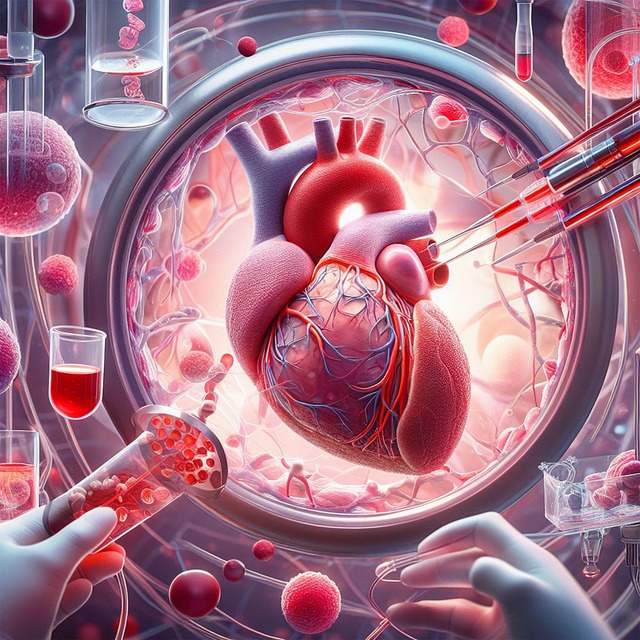
Image by leblyadev from Pixabay
An important shift in this field is the growing understanding that dental stem cells may help not only by turning into replacement tissue, but also by releasing bioactive molecules. This secretome may influence surrounding cells, regulate inflammation, and promote healing. That means the therapeutic value of dental stem cells may come as much from their signaling power as from their ability to differentiate.
For all the excitement, challenges remain. Dental stem cell banking is still not widely adopted, and regulatory standards for collection, storage, and clinical use vary significantly. Researchers also continue to study which dental stem cell populations are best suited for specific therapies and how to standardize their use safely.
Even so, the promise is hard to ignore. What was once considered biological waste from a lost baby tooth or a removed wisdom tooth may eventually become part of a new generation of medical treatments. Dental stem cells represent a growing area of research that could reshape not only regenerative dentistry, but also the future of personalized and restorative medicine.
The big takeaway is simple: teeth are more than hard structures for chewing. Hidden inside them are cells with remarkable regenerative potential. As research continues, dental stem cells may become one of the most practical and exciting tools in modern regenerative medicine