Most people think of gum disease as a problem that stays in the mouth. Bleeding gums, bad breath, bone loss, and loose teeth are the usual concerns. But emerging research suggests that periodontal disease may be connected to something much bigger: changes in the brain.
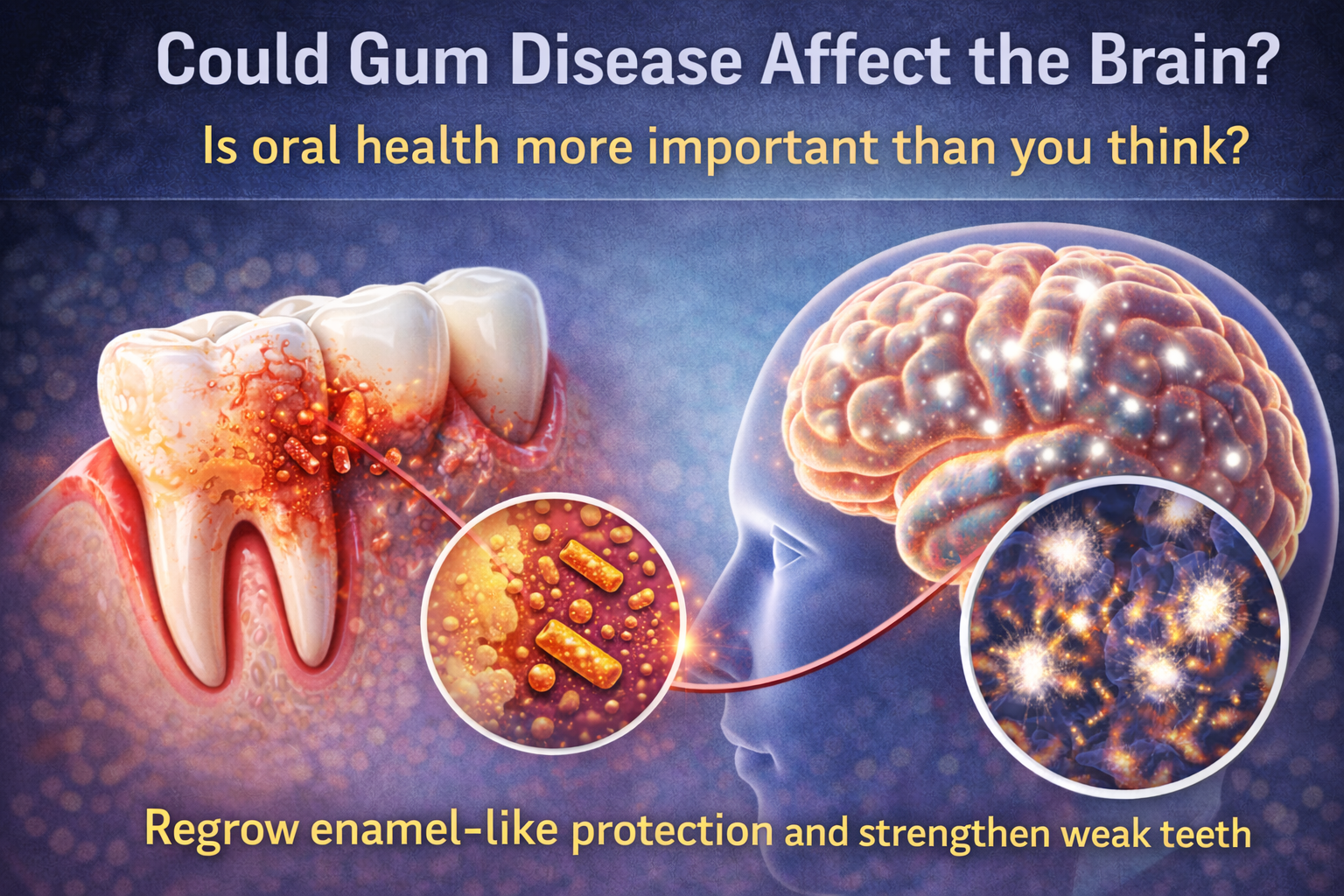
A recent study (Jaclyn Meyer, Chylee Martin, Stefanie Wood, Forrest Lowe, Leonardo Bonilha, Hamdi S. Adam, Ryan Demmer, Bruce A. Wasserman, Wayne D. Rosamond, James D. Beck, Souvik Sen. Periodontal Disease Independently Associated With White Matter Hyperintensity Volume. Neurology Open Access, 2025; 1 (4)) found that older adults with gum disease had more signs of white matter damage in the brain than those without it. These changes, called white matter hyperintensities, are small areas seen on brain scans that have been linked to problems with memory, reasoning, balance, and coordination. They are also associated with a higher risk of stroke.
The Oral Health and Brain Health Connection
White matter acts like the brain’s communication network. It helps different parts of the brain send signals efficiently. When that tissue is damaged, communication can slow down or become less effective.
Researchers observed that people with gum disease had a greater burden of these brain changes, even after accounting for other risk factors such as age, smoking, diabetes, and blood pressure. That does not prove gum disease causes brain damage, but it does strengthen the idea that chronic oral inflammation may have effects far beyond the gums.
Why Gum Inflammation Might Matter
One possible explanation is inflammation. Gum disease is not just about plaque on the teeth. It is an ongoing inflammatory condition that affects the tissues supporting the teeth. Over time, that chronic inflammation may influence blood vessel health elsewhere in the body, including in the brain.
This is one reason dentists often stress that healthy gums are part of overall health, not just a cosmetic issue. The mouth is full of blood vessels, and chronic infection or inflammation there may contribute to broader health problems over time.
What This Means for Everyday Dental Care
The study adds to a growing message in dentistry: taking care of your gums may do more than protect your smile. Good brushing, flossing, professional cleanings, and early treatment of gingivitis or periodontitis may help reduce the inflammatory burden on the body.
This is especially important for older adults, since both gum disease and white matter changes become more common with age.
A Wisdom Teeth Angle
This also matters when thinking about wisdom teeth. Partially erupted or difficult-to-clean wisdom teeth can trap plaque and bacteria around the gums, creating an area of repeated irritation and inflammation. Not every wisdom tooth causes problems, but when wisdom teeth contribute to chronic gum inflammation, swelling, or infection, they may become part of a bigger oral health issue rather than just a local nuisance.
In that sense, the message is broader than wisdom teeth alone: any part of the mouth that stays inflamed for a long time deserves attention.
The Bigger Takeaway
This research does not mean gum disease directly causes dementia or Parkinson’s disease, and it does not mean every person with periodontal disease will develop brain problems. But it does add to growing evidence that oral health and brain health may be more connected than many people realize.
The practical takeaway is simple: do not ignore your gums. Bleeding, swelling, recession, or chronic irritation around the teeth—including around wisdom teeth—should be taken seriously. Protecting your gums may not only help save teeth. It may also be one more way to support long-term health as you age.